
The Role of Luck in Gambling
When discussing casinos, one of the most prevalent myths is that luck is the only factor influencing outcomes. While luck undeniably plays a significant role, especially in games like slots or roulette, it’s essential to clarify what luck actually means in this context. Luck is often seen as a random occurrence, the idea that anyone can hit a jackpot without any prior knowledge or strategy, just as players at 1win understand the importance of skill and strategy. However, this perception oversimplifies the complex world of gambling and overlooks the strategies that experienced players employ to navigate their gaming experiences.
Many believe that luck can be manipulated through rituals or superstitions. Players often engage in specific behaviors, like wearing lucky clothing or following particular routines, hoping to enhance their chances of winning. While these practices can create a sense of comfort and confidence, they do not actually alter the outcome of the game. Understanding the randomness inherent in games of chance is crucial for players to maintain a realistic perspective on their expectations and strategies, allowing them to approach gambling with a clearer mindset.
Ultimately, while luck is a significant factor, it’s essential not to dismiss the importance of skill and strategy. Games like poker, for instance, heavily rely on a player’s ability to read opponents and make informed decisions. In such instances, understanding the odds and employing effective strategies can vastly improve a player’s chances of success, demonstrating that luck and skill often coexist in the gambling environment. This coexistence emphasizes the need for players to recognize and develop their skills alongside hoping for favorable outcomes.
The Influence of Skill in Games
In contrast to the belief that luck reigns supreme, skill is a critical component in many casino games, particularly those that require strategy and decision-making. Take poker, for example; it is a game where the sharpness of mind, psychological acumen, and mathematical understanding can significantly impact outcomes. Players who master the art of bluffing, calculating odds, and reading their opponents often find themselves with more consistent winnings compared to those relying solely on luck. This skill-based approach can lead to more rewarding experiences than mere chance.
Skill-based games also tend to foster a competitive environment where having a strategic edge can mean the difference between a loss and a win. In blackjack, for instance, understanding basic strategy and card counting can help a player lower the house edge substantially. This showcases that while luck can lead to a lucky hand, the knowledge and skill to leverage that hand can lead to sustained success over time. Players who invest time in learning the intricacies of these games often find their efforts rewarded in the long run.

However, it’s crucial to note that even skilled players can face losing streaks due to the inherent unpredictability of gambling. This reality highlights the importance of combining skill with an understanding of how luck plays into the equation. Players who recognize the need for both skill and a graceful acceptance of luck’s role are better equipped to navigate the highs and lows of the gaming experience. This balanced perspective allows for a more enjoyable and less stressful approach to gambling.
Debunking Superstitions in Gambling
Superstitions are an integral part of casino culture, with many players attributing their successes or failures to various beliefs and rituals. From carrying lucky charms to choosing specific seats at the table, these practices are deeply rooted in the mindset of gamblers. However, most of these superstitions lack any factual basis and can create false hope. Understanding the random nature of casino games helps debunk these myths, reminding players that outcomes are not influenced by mere coincidence. This realization is crucial for fostering a rational approach to gambling.
Moreover, the reliance on superstition can distract players from focusing on effective strategies. For instance, a blackjack player fixated on a ‘hot table’ may ignore fundamental strategy that could lead to a better outcome. This misplaced focus can cost them money over time, as they forgo the analytical approach that could help them improve their gameplay. Hence, it’s essential to approach gambling with a rational mindset rather than succumbing to the allure of superstitious beliefs, which can lead to misguided decisions.
Ultimately, breaking free from the chains of superstition allows for a more informed and strategic approach to gambling. While rituals may provide emotional comfort and a sense of connection to the game, they should not replace sound strategy and a clear understanding of the odds at play. Players who ground their experiences in reality will find the journey through the casino more rewarding and less fraught with unrealistic expectations. This shift in mindset can transform the gambling experience into one of learning and growth.
The Intersection of Luck and Skill in Gaming Strategies
While luck and skill are often viewed in opposition, they actually coexist within the realm of gambling, creating a complex dynamic that players must understand. Players can appreciate that many games require a blend of both elements to achieve success. For instance, in sports betting, a player may have statistical knowledge and a refined strategy to predict outcomes, yet luck ultimately plays a role in the unpredictable nature of sports events. This intrinsic relationship highlights the need for a balanced perspective when approaching any betting scenario, allowing players to remain adaptable.
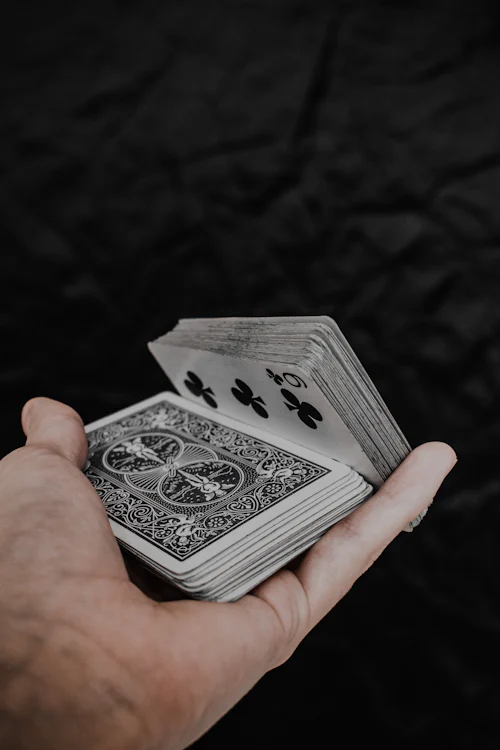
Additionally, in games such as roulette or slots, players might feel at the mercy of luck, but there are informed strategies that can help maximize the potential for wins. Understanding payout percentages, betting patterns, and bankroll management are skills that can guide players in making more informed choices, even in predominantly luck-based games. By developing a well-rounded approach, players can manage their expectations and create a more enjoyable experience, turning the focus from solely winning to appreciating the process of play.
Ultimately, acknowledging the interplay between luck and skill can lead to a deeper appreciation for the games themselves. Players who respect both elements develop a more holistic approach to gambling, underscoring the importance of strategic play while remaining open to the whims of chance. This dual acknowledgment contributes to a nuanced understanding of the casino environment, paving the way for smarter decisions and potentially more rewarding outcomes, thus enhancing the overall gambling experience.
Exploring Resources for Better Understanding
For those intrigued by the complexities of luck and skill in casinos, numerous resources provide valuable insights and strategies. Various books, articles, and online forums delve into the intricacies of different games, helping players distinguish between luck-driven decisions and skill-based strategies. These resources serve as a foundation for players seeking to improve their game, understand odds, and build confidence in their betting approach. Engaging with this material can empower players to make informed choices during their gaming experiences.
Furthermore, online communities can foster a sense of belonging and shared learning. Engaging with other players allows for the exchange of ideas, strategies, and personal experiences, enriching one’s understanding of the gambling landscape. Whether through discussion boards or social media channels, players can find support and camaraderie, encouraging informed and responsible gaming. This interaction not only enhances knowledge but also provides emotional support during the ups and downs of gambling.
In conclusion, understanding the nuances of luck and skill is essential for any casino enthusiast. The intersection of these elements offers a rich tapestry of experiences that can enhance the gaming journey. By embracing the duality of luck and skill and utilizing available resources, players can elevate their approach to the casino, leading to a more enjoyable and potentially lucrative experience. This comprehensive understanding encourages a more thoughtful and strategic engagement with gambling, ultimately enriching the player’s experience.